Examining Withdrawal Timelines Linked to Live Dealer Sessions Within Portable Betting Platforms
Written by Zoe Becker · Oct 15, 2026
Examining Withdrawal Timelines Linked to Live Dealer Sessions Within Portable Betting Platforms
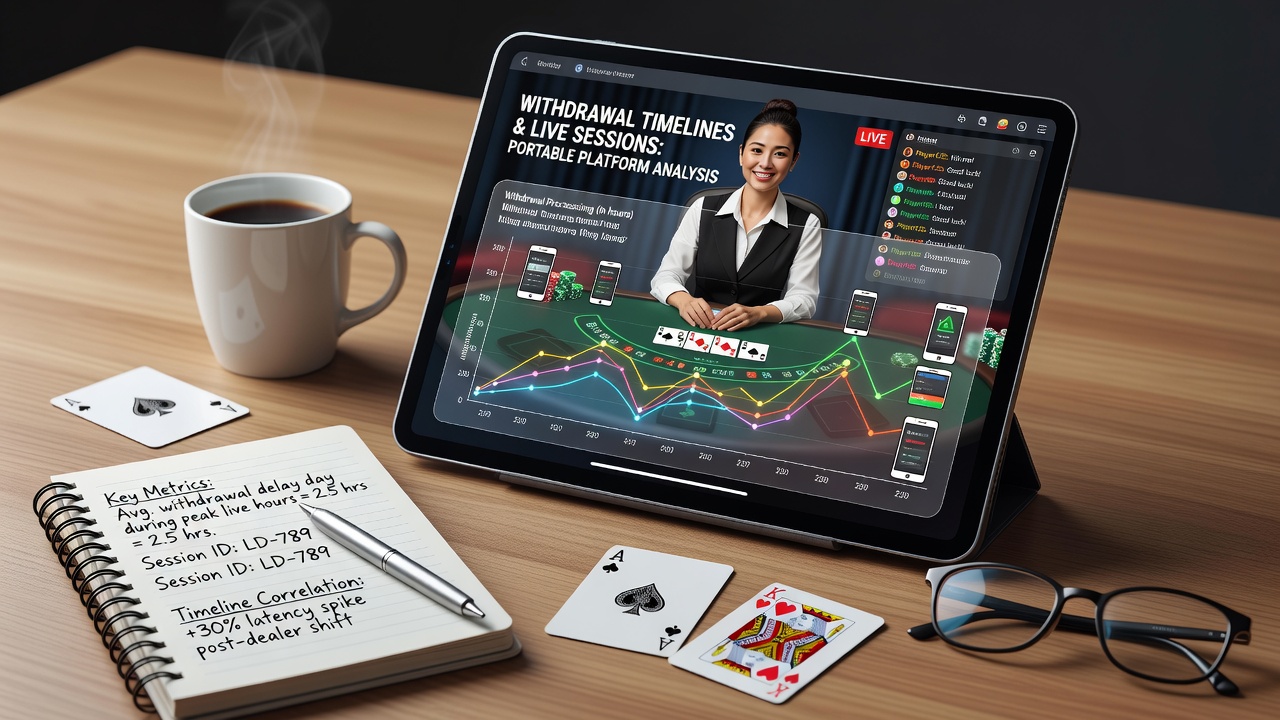
Portable betting platforms have expanded access to live dealer sessions, where players engage with real-time table games through mobile applications, and withdrawal timelines often depend on verification steps completed after those sessions conclude. Data from state regulators shows that processing times range from a few hours for verified accounts using e-wallets to several business days when manual reviews occur following extended play periods. Observers note that live dealer formats introduce unique data streams, including session logs and betting patterns, which platforms cross-reference against account details before releasing funds.
Key Factors Affecting Processing Durations
Payment method selection plays a central role because e-wallets and certain digital currencies bypass traditional banking delays, whereas credit card or bank transfers trigger additional compliance checks. Researchers at institutions tracking digital wagering trends have documented that accounts tied to live dealer sessions in October 2026 required extra scrutiny when activity exceeded average thresholds, extending timelines by 24 to 48 hours in multiple jurisdictions. Account verification status determines much of the variance, since platforms must confirm identity documents and source of funds before approving any payout request linked to recent table activity.
Regulatory Influences Across Regions
State gaming boards in the United States enforce specific hold periods that apply after live sessions, while similar rules appear in Canadian provincial frameworks and Australian state licensing conditions. These requirements stem from efforts to monitor transaction patterns for compliance, and platforms integrate automated flags that pause withdrawals until review completes. Evidence from industry reports indicates that multi-state operators adjust their internal queues based on the originating jurisdiction, creating noticeable differences in speed for users accessing the same application from different locations.
Live dealer sessions generate continuous data on bets placed, wins recorded, and time spent at virtual tables, which feeds into risk assessment algorithms. When these algorithms detect patterns that match predefined criteria, they route the withdrawal request to manual queues rather than automated approval paths. Those who have examined platform operations observe that such routing occurs more frequently with newer accounts or after sudden increases in session volume, regardless of the actual outcome of the games.
Platform-Specific Mechanisms and Data Handling
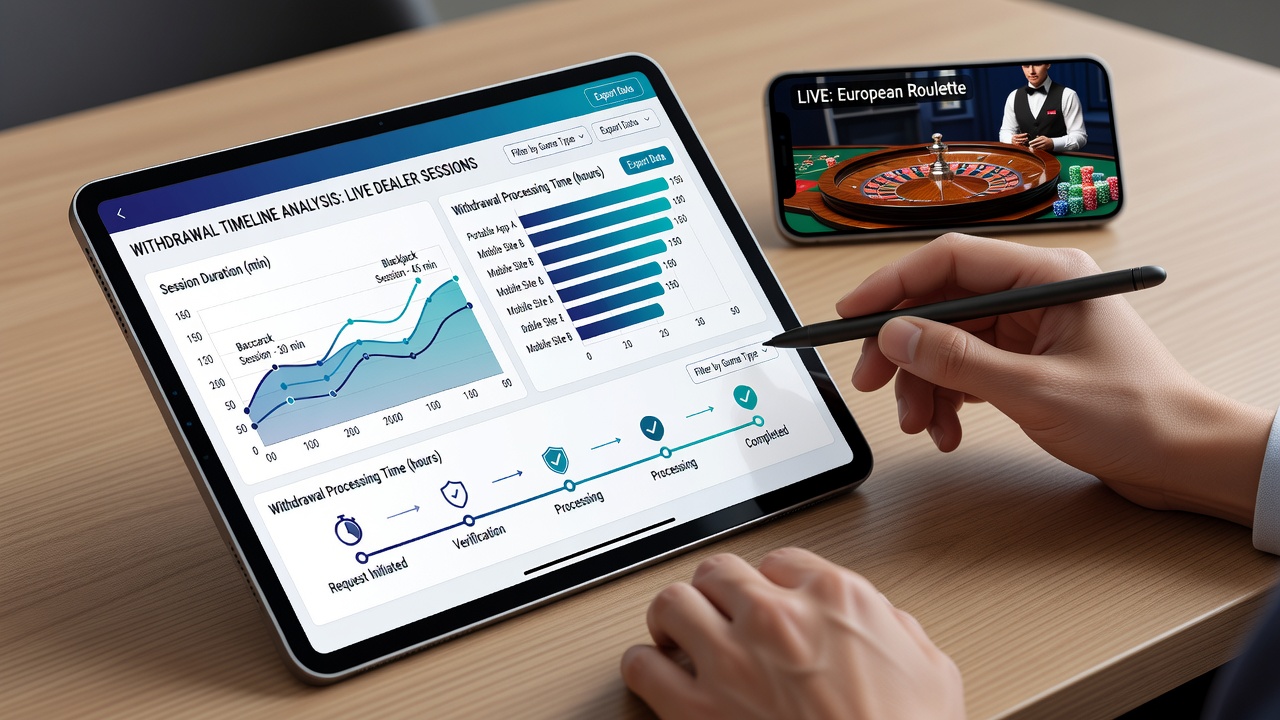
Operators maintain separate processing streams for live dealer activity because these sessions involve third-party game providers whose outcome records must align with player account ledgers. Discrepancies between these records, even minor ones, prompt extended verification windows that can stretch across weekends or holidays. According to figures released by the Nevada Gaming Control Board, average payout intervals for mobile live games lengthened slightly during periods of high platform traffic in 2026, reflecting the added layers of cross-checking required.
Users who complete identity verification prior to engaging in live dealer play often experience shorter intervals once a withdrawal request is submitted. Platforms apply tiered verification levels, where basic checks suffice for smaller amounts but higher limits tied to recent table sessions demand supplementary documentation. Research compiled by academic groups studying online gambling systems highlights that pre-verified profiles reduce processing steps by up to 60 percent in controlled comparisons across multiple applications.
Comparative Timelines and Payment Integration
Direct comparisons between live dealer withdrawals and those from slot or virtual table games reveal consistent patterns where live sessions add one verification layer due to real-time interaction logs. E-wallet providers such as those integrated into major mobile platforms clear approved requests within hours when no flags arise, while bank wires linked to the same sessions follow standard clearing cycles of one to three days. Geographic variation appears in these cycles because local banking partners and regulatory reporting schedules differ, creating regional distinctions even within the same application.
One documented approach involves platforms that batch live dealer payout requests for overnight processing, allowing staff to review aggregated session data in a single pass rather than handling each request individually. This method has been adopted by several large operators to manage volume while maintaining compliance standards set by licensing authorities in multiple markets. Data shared through industry associations shows that such batching maintains overall timelines within advertised windows when initial verifications are already in place.
Conclusion
Withdrawal timelines connected to live dealer sessions on portable platforms reflect the intersection of payment technology, regulatory mandates, and platform verification protocols. Factors ranging from account history to session volume influence the duration, with automated systems and manual reviews working in sequence to meet compliance obligations. Continued monitoring by regulatory bodies and platform operators provides the data needed to refine these processes as mobile usage expands across licensed markets.