How Backend Verification Protocols Shape Bonus Claim Rates in Mobile Wagering
Written by Zoe Becker · Oct 29, 2026
How Backend Verification Protocols Shape Bonus Claim Rates in Mobile Wagering
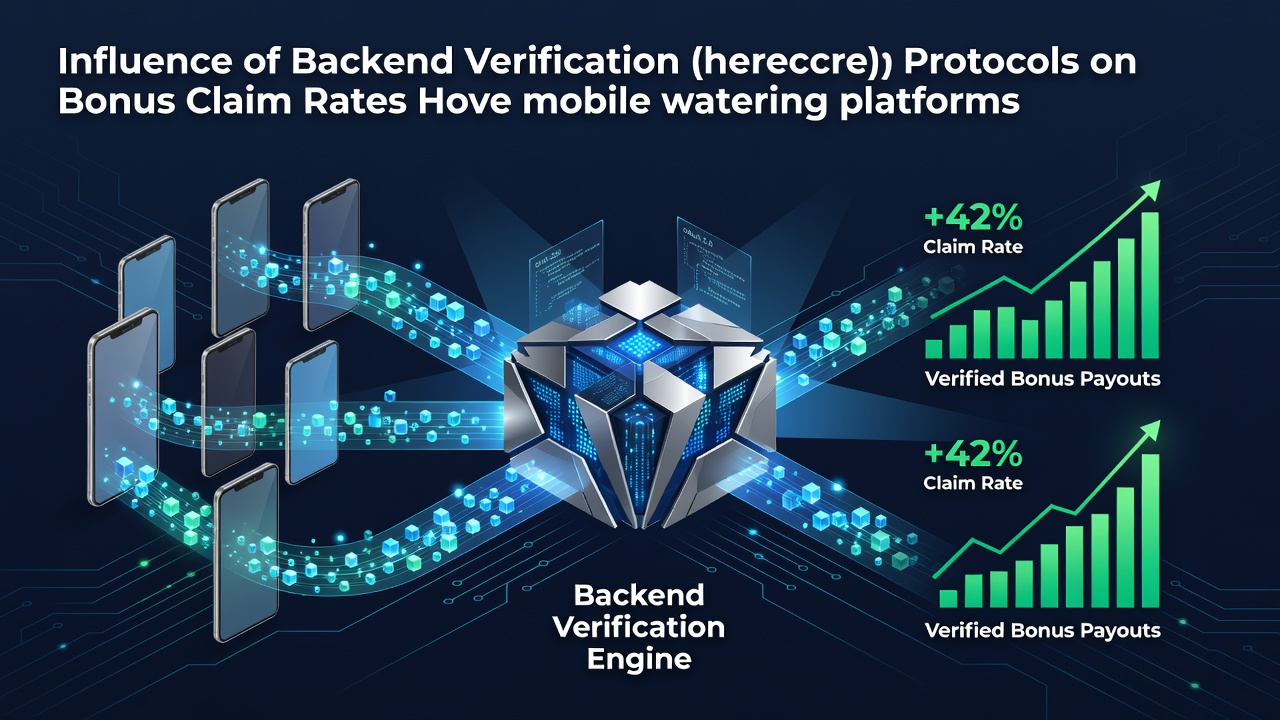
Backend verification protocols form the invisible framework that processes every bonus claim attempt on mobile wagering platforms, and data from regulated markets shows these systems directly affect how many users complete the process successfully. Platforms integrate identity checks, device fingerprinting, and transaction monitoring into a single pipeline that runs before any promotional credit reaches an account, which means delays or mismatches at any stage can block the claim entirely.
Core Components of Backend Verification Systems
Modern protocols combine multiple layers that run simultaneously rather than sequentially, and this approach allows platforms to flag inconsistencies in real time while users interact with bonus offers on their phones. Identity verification pulls from government databases and credit bureaus, device verification logs hardware signatures and IP patterns, while behavioral analytics track how quickly a user navigates the claim flow. Operators report that tightening any single layer, such as requiring selfie matches during peak evening hours, often produces measurable drops in completed claims within the same week.
Those who've examined platform logs note that false positives from automated systems account for a significant share of abandoned claims, and these errors frequently stem from outdated address records or temporary network issues on the user's end. When verification engines cross-reference multiple data points at once, the system can approve legitimate users faster, yet the same speed sometimes catches edge cases that manual review might have cleared.
Observed Effects on Claim Completion Rates
Industry figures reveal that platforms using multi-factor backend checks see claim rates vary between 62 and 78 percent depending on the verification threshold settings, and this range holds across several state-licensed operators active in October 2026. Shorter verification windows correlate with higher completion numbers, while extended review periods lasting more than 48 hours coincide with noticeable abandonment spikes. One analysis of anonymized transaction data found that users who encounter an additional document upload request during the bonus claim process complete the transaction 34 percent less often than those who pass automated checks on the first attempt.
Regional Regulatory Influences on Protocol Design
State gaming commissions set minimum verification standards that operators must meet before offering bonuses, and these rules shape how aggressively platforms can streamline their backend processes. In markets where regulators require daily transaction monitoring, operators add extra fraud scoring layers that can slow down claims but also reduce chargeback volumes. Data from the New Jersey Division of Gaming Enforcement shows that platforms adjusting verification intensity in response to regulatory updates experienced claim rate fluctuations of up to 11 percent within a single quarter.
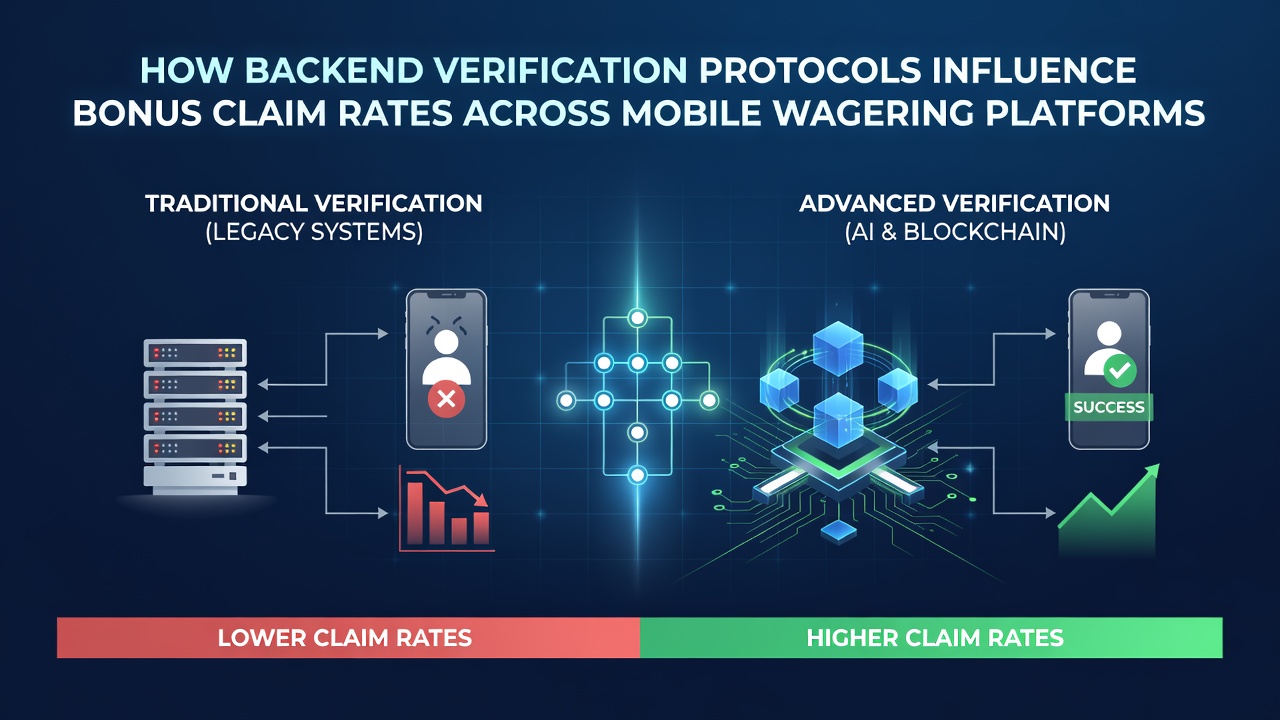
Similar patterns appear in other jurisdictions, and operators in those regions often recalibrate their systems quarterly to stay aligned with updated compliance expectations. The result is a constant tension between fraud prevention requirements and the need to keep bonus claims friction low enough for users to finish the process on mobile devices.
Technical Factors That Alter User Behavior
Device compatibility plays a larger role than many expect, and users on older operating systems encounter verification failures more frequently because certain authentication modules no longer support legacy hardware. When platforms push updates to their verification SDKs, claim rates on affected device models can dip for several days until users install the latest app version. Researchers tracking mobile session data have observed that push notifications reminding users to complete verification steps increase completion rates by roughly 19 percent compared to email-only reminders.
Network conditions during the claim attempt also matter, since unstable connections interrupt the data exchange between the app and backend servers and force users to restart the process. Those monitoring real-time logs note that sessions started on 5G networks show higher success rates than those on congested Wi-Fi connections, a difference that becomes more pronounced during major sporting events when traffic spikes.
Adjustments Operators Make to Balance Security and Conversion
Platform teams routinely test different verification sequences using A/B frameworks, and the results guide decisions about which checks to run before versus after the bonus is credited. Some operators now run lightweight device checks first and reserve full identity reviews for higher-value claims, an approach that preserves claim volume while still meeting regulatory audit requirements. Reports from the American Gaming Association indicate that these segmented strategies have helped several major operators stabilize claim rates even as overall verification standards tightened through 2026.
Seasonal patterns appear in the data as well, and October tends to show elevated claim activity tied to football season promotions, which forces backend teams to scale verification capacity ahead of time to avoid bottlenecks. When capacity falls short, users experience longer wait times that translate directly into lower completion percentages.
Conclusion
Backend verification protocols continue to evolve alongside mobile wagering growth, and their configuration choices determine how many users successfully claim bonuses across platforms. Operators that monitor these systems closely can adjust thresholds and sequences based on performance data, while regulatory bodies maintain oversight that keeps security standards consistent. The interplay between these elements produces measurable differences in claim rates that operators track and refine on an ongoing basis.