How Geofencing Layers Interact With Promotional Unlock Sequences Across Multi-State Wagering Networks
Written by Devon Müller · Oct 1, 2026
How Geofencing Layers Interact With Promotional Unlock Sequences Across Multi-State Wagering Networks
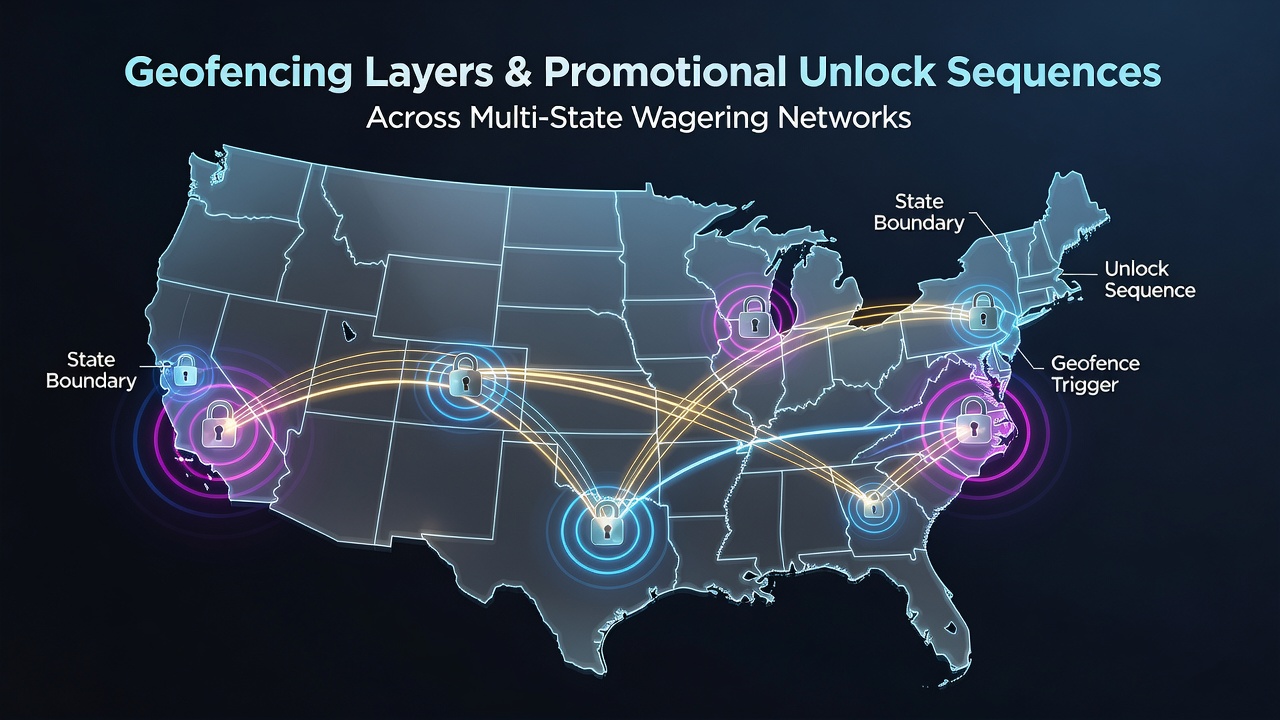
Geofencing technology creates virtual boundaries that activate specific functions inside betting platforms once users cross defined geographic lines, and these boundaries operate through multiple stacked layers that correspond to individual state jurisdictions. Operators deploy these layers to comply with varying regulations while sequencing promotional unlocks that grant access to bonuses only after location verification completes at each step. Data from multi-state networks shows that a single user session may trigger three or more distinct geofence checks before a promotional sequence fully activates, because each layer enforces separate rules tied to licensing requirements in states such as New Jersey, Pennsylvania, and Michigan.
Core Mechanics of Layered Geofencing
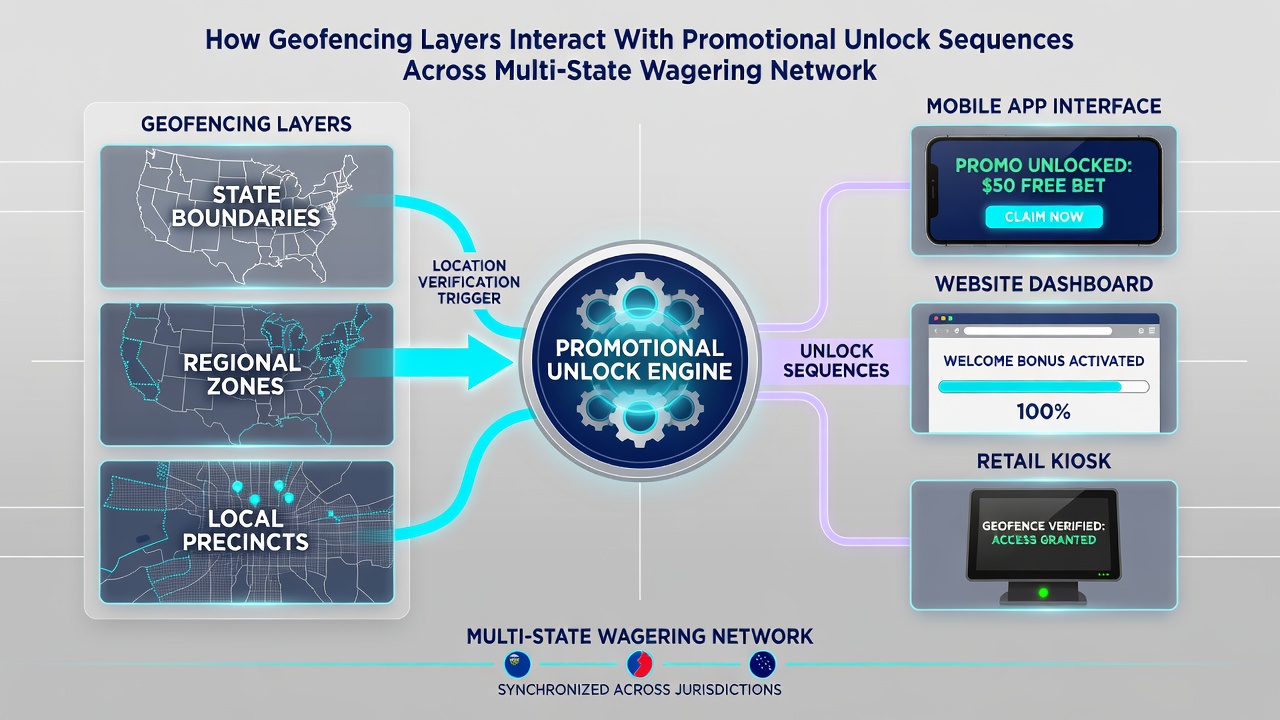
Each geofencing layer pulls real-time coordinates from device GPS, Wi-Fi signals, and cellular triangulation, then cross-references those coordinates against state-approved boundary maps maintained by regulatory bodies. The first layer typically confirms presence inside a licensed state, while subsequent layers narrow the check to specific counties or even casino property perimeters when required. Researchers at institutions studying digital gaming ecosystems note that this layered approach reduces unauthorized access attempts by routing users through sequential API calls that must all return positive results before any promotional code processes further. When a user moves between states during an active session, the system pauses the current unlock sequence and initiates a new verification cycle that restarts the promotional eligibility check from the initial layer.
Promotional Unlock Sequences and Location Triggers
Promotional sequences follow a defined order that begins with account login, proceeds through identity confirmation, and then activates location-based gates before releasing bonus funds or free bets. In practice, a deposit match offer may unlock only after the first geofence layer confirms the user sits inside an authorized state, while a free spin reward tied to a specific operator might require an additional layer that verifies proximity to a partnered casino floor. Observers tracking these systems report that operators program fallback protocols so that if any single layer fails, the entire sequence halts and displays a clear message directing the user to move into the correct geographic area. This design prevents partial unlocks that could violate state rules on promotional distribution.
Cross-State Network Interactions
Multi-state wagering networks connect through shared backend platforms that synchronize geofence data across separate regulatory environments, allowing a single app to serve users in multiple jurisdictions without maintaining isolated codebases. When a user travels from one state into another, the network switches the active rule set by loading the corresponding geofence layer and resetting any pending promotional timers. Figures released by the New Jersey Division of Gaming Enforcement indicate that cross-state session handoffs increased 18 percent between 2025 and 2026, reflecting higher mobility among bettors who maintain accounts across neighboring markets. The handoff process typically completes within two to four seconds, during which promotional sequences remain suspended to avoid conflicts with the incoming state's requirements.
Regulatory Compliance and Data Reporting
State regulators require operators to log every geofence layer interaction along with the exact timestamp and coordinate data used to grant or deny promotional access. These logs feed into monthly compliance reports that detail how many unlock attempts succeeded or failed due to boundary violations. Industry associations such as the American Gaming Association compile aggregated statistics showing that promotional sequences tied to multi-layer geofencing experience failure rates below 3 percent when networks use redundant verification methods. Yet the same data reveals occasional spikes during major sporting events when user volume strains location services and forces temporary reliance on less precise Wi-Fi signals alone.
Developments Observed in October 2026
By October 2026 several networks introduced dynamic layer adjustments that recalibrate boundary maps in response to new legislation passed in additional states. These adjustments occur through over-the-air updates that push revised geofence coordinates to user devices without requiring app reinstallation. One documented case involved a network expanding service into Ohio, where the new layer integrated with existing Pennsylvania and Michigan maps to create seamless handoff paths for users traveling along interstate corridors. Reports from regulatory filings show that these updates reduced average verification time by nearly 30 percent compared with earlier static configurations.
Technical Challenges in Layer Synchronization
Synchronization across networks demands precise time-stamping because promotional sequences include expiration windows measured in minutes rather than hours. When clocks on different state servers drift even slightly, a user may receive a denial message despite sitting inside the correct boundary. Engineers address this through centralized time servers that push corrections every fifteen minutes, ensuring all layers reference a single authoritative clock. Case studies from platform providers illustrate that networks employing this method maintain unlock success rates above 97 percent during peak traffic periods.
Conclusion
Geofencing layers and promotional unlock sequences form an integrated system that enforces state-specific rules while delivering location-aware incentives to users across multi-state networks. The interaction relies on sequential verification steps, synchronized data exchange, and continuous regulatory reporting that together maintain compliance without interrupting the user experience. As additional states authorize mobile wagering, these technical frameworks continue to evolve through incremental map updates and refined timing protocols that keep pace with legislative changes.